
 01 · CEILING
Ceiling cornices
They close the joint between wall and ceiling and hide uneven lines. From slim modern lines to rich classic profiles.
- Cornices and friezes
- Mouldings for indirect lighting, from the catalogue
- Polystyrene or polyurethane
Ceiling cornices, wall panels, dado rails and skirting in polystyrene and polyurethane. A line that gives a room its shape, fitted without rubble or dust.
The range
The most beautiful rooms use the same style of profile on the ceiling, the wall and the floor. That is why we choose mouldings together, as a whole.
01 · CEILINGThey close the joint between wall and ceiling and hide uneven lines. From slim modern lines to rich classic profiles.
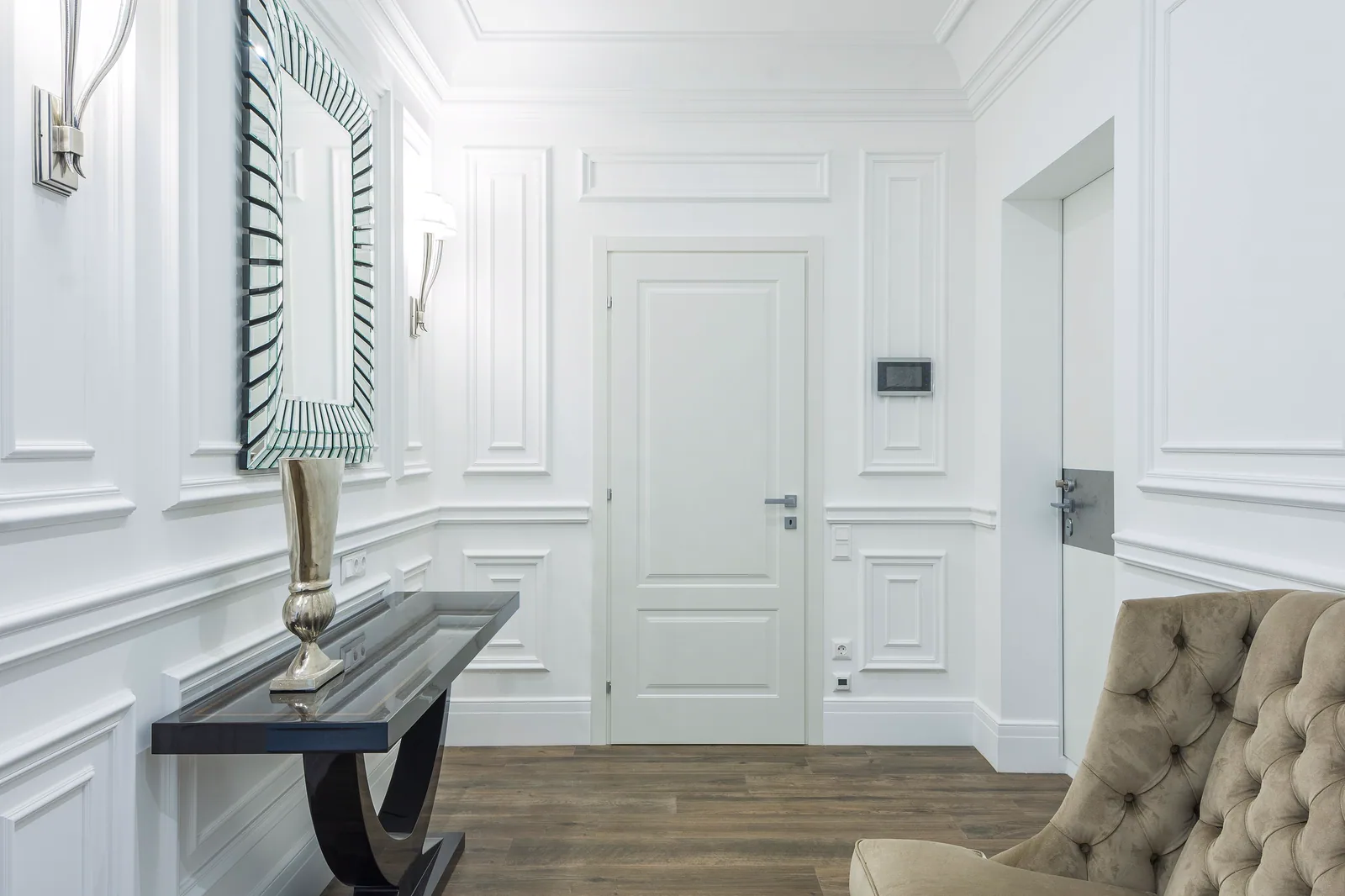 02 · WALL
Boiserie panels, dado rails and door surrounds. A Parisian look on an ordinary wall, with no joinery.
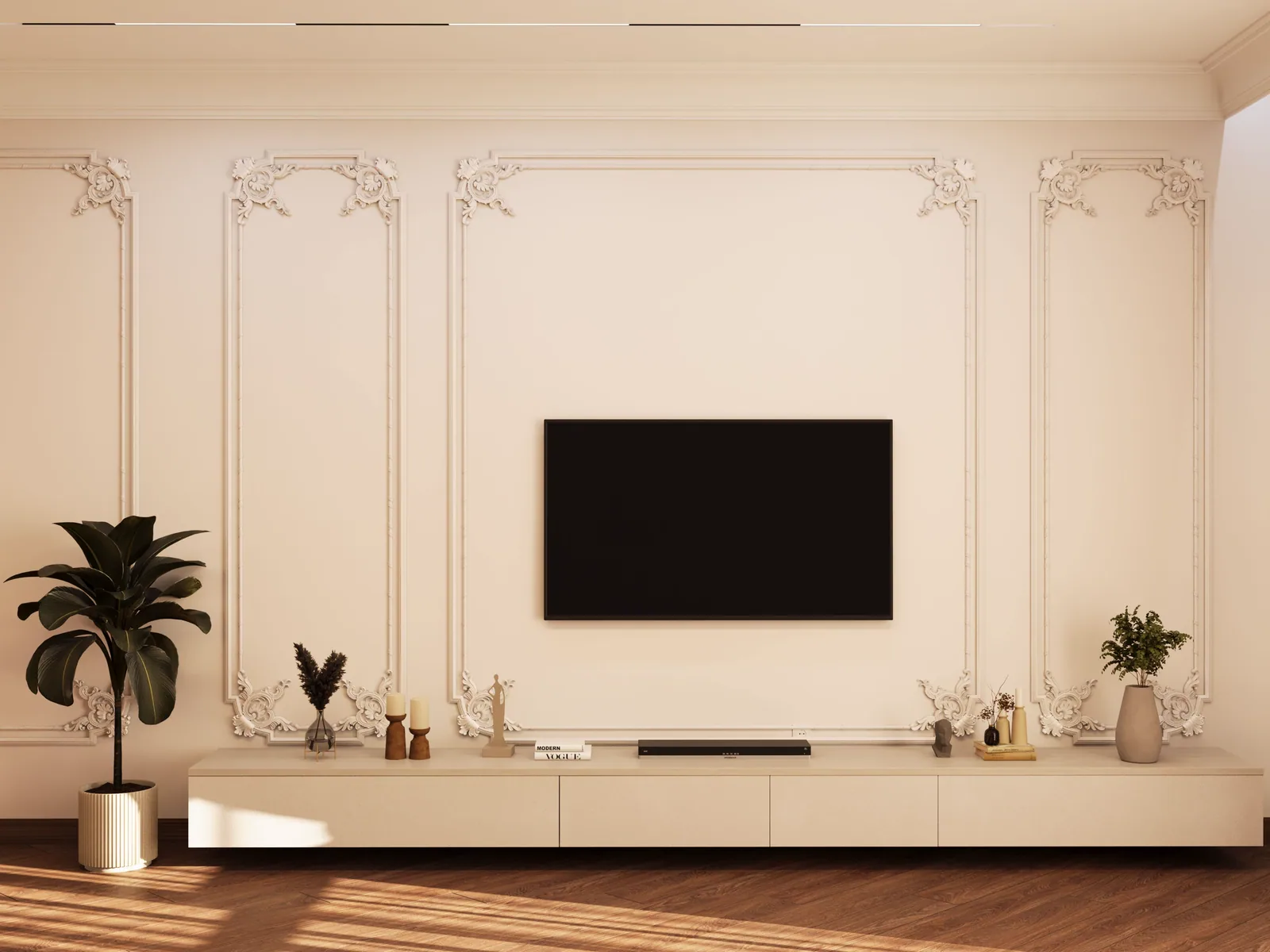 03 · FLOOR
Tall and low skirting boards that protect the wall and neatly finish the joint with the floor.
Ask us about the full range of NMC lines (Arstyl, Wallstyl, Nomastyl) and the decorative elements in the catalogue. We will send you a proposal for your space.
The wall, section by section
Tap a number on the wall. For each position you will see which profile is used, what it is made of and where it makes the biggest difference.
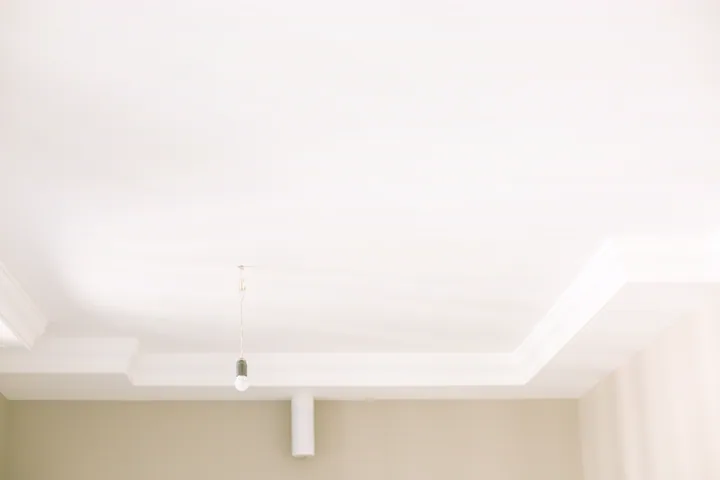
The moulding where the wall meets the ceiling. It closes the edge, hides uneven lines and gives the room a finished, architectural look. It is the most visible line, so the profile is chosen to suit the ceiling height.
New · Visualiser
Choose the wall colour, cornice, panels and skirting, then slide the line between the bare wall and the finished one. Add the design and an estimated quantity to your quote list in one click.
Material
Both materials are light and paintable. The difference lies in hardness, detail and where the moulding has to work.
| Property | Polystyrene | Polyurethane |
|---|---|---|
| Weight | Very light | Light |
| Impact resistance | Basic, for places out of reach | High, for walls and floors |
| Profile detail | Softer edges | Sharp, fine detail |
| Moisture | Dry rooms | Bathrooms and kitchens too, with a suitable paint |
| Painting | Water-based paint, no solvents | Water-based paint |
| Best for | Ceiling cornices | Skirting, wall panels, dado rails, door surrounds |
| Price | More affordable | Higher, with a longer life |
Calculator
Enter the room dimensions. We work out the length with a 10% allowance for joints and corners, plus the number of 2 m lengths. You can send the result with your enquiry in one click.
This is an estimate. We confirm the exact quantity, joiners and adhesive for the profile you choose.
Installation
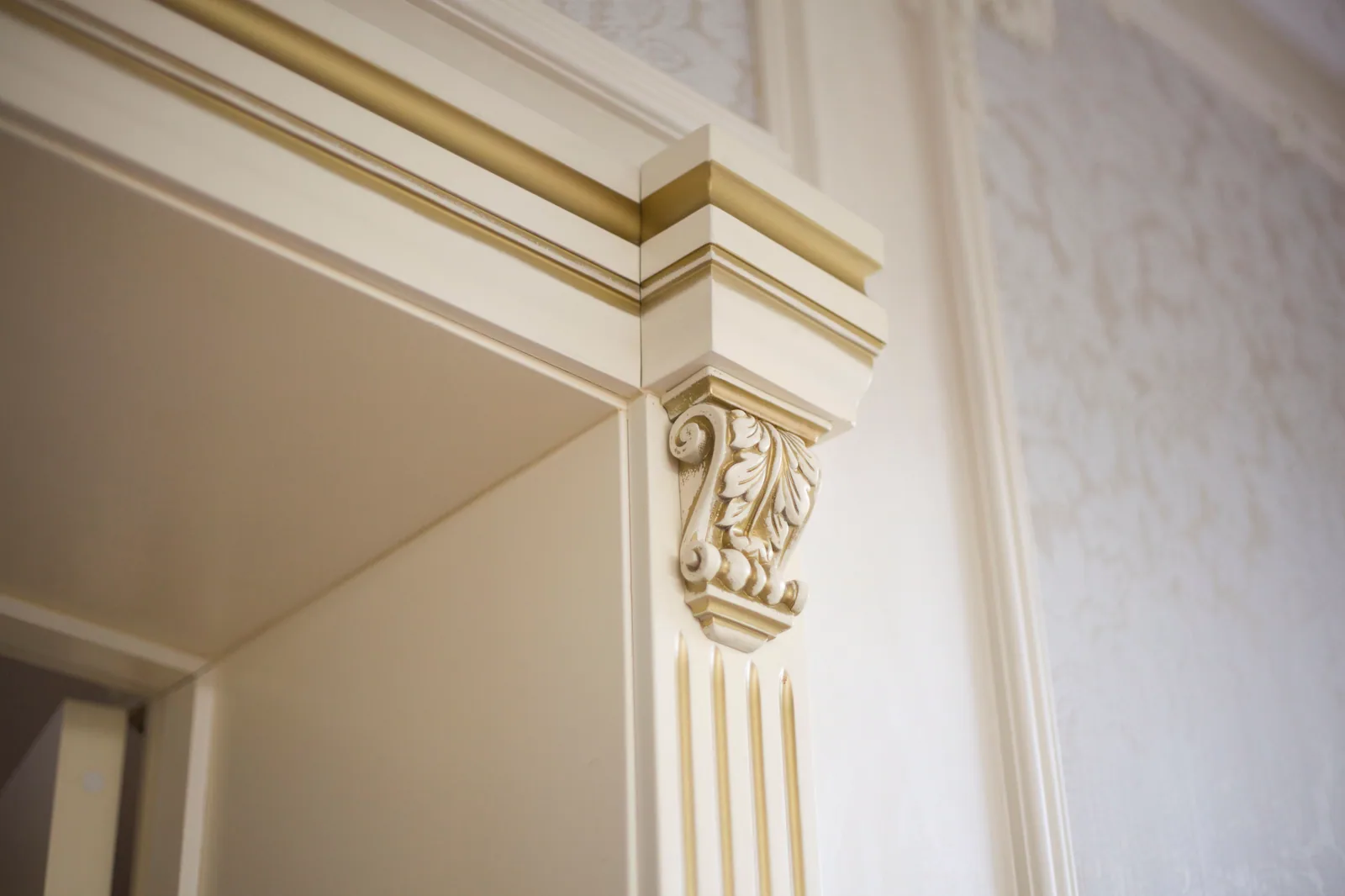
Mouldings are glued, not screwed. Follow a few rules and the joints disappear and the paint finish is even.
FAQ
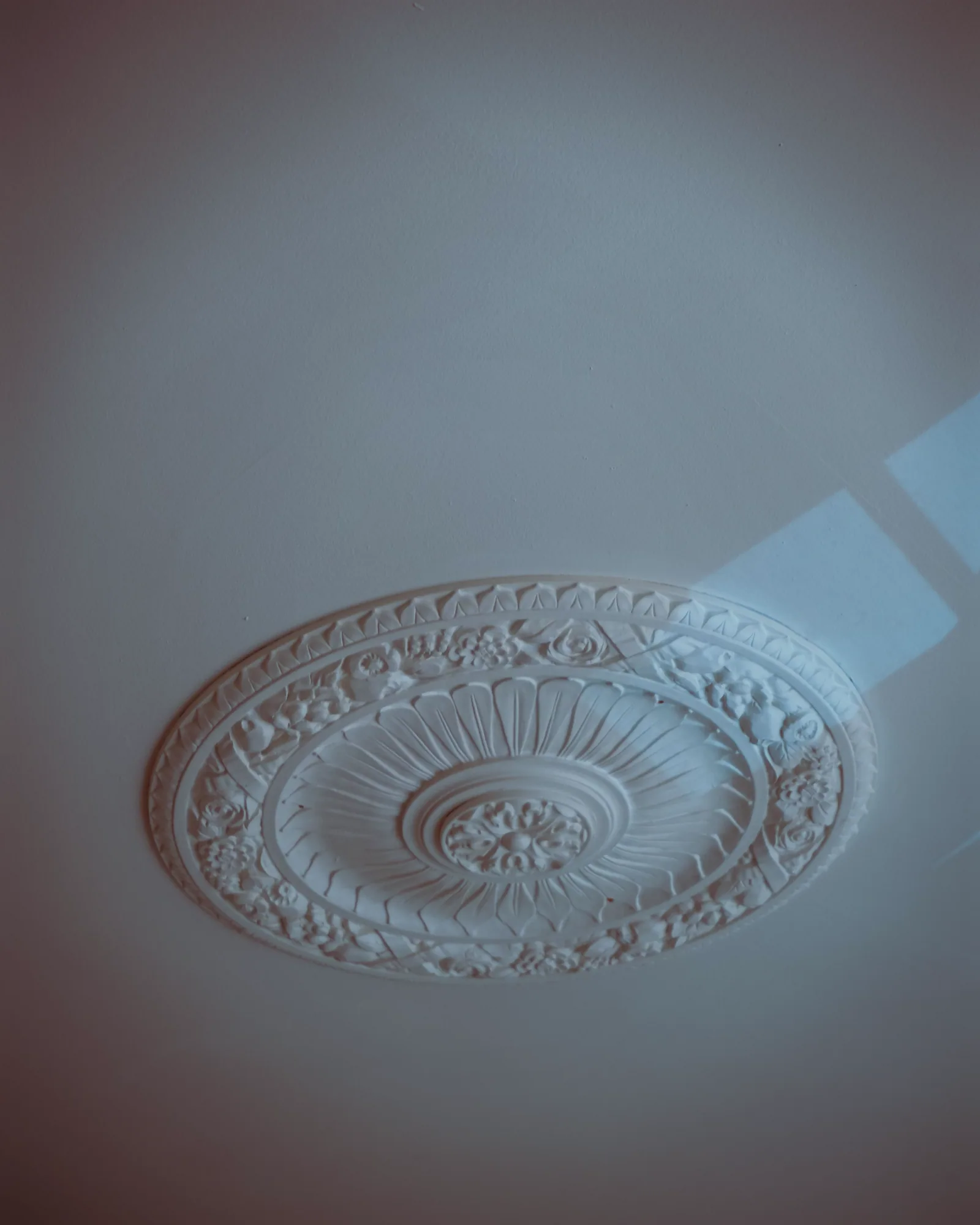
Polystyrene is light and more affordable, ideal for ceiling cornices in dry rooms.
Polyurethane is harder, more resistant to knocks and moisture, and gives a sharper, finer profile detail. For skirting, wall panels and anywhere a moulding might get knocked, we recommend polyurethane.
Yes. Once they are fitted and the joints are filled, paint them with a water-based paint (acrylic or emulsion). Do not use solvent-based paints on polystyrene.
Add up the perimeter of the room and allow an extra 10% for corners and joints. The quickest way is our calculator, and you can send us the result with your enquiry.
In humid rooms choose polyurethane profiles and paint them with a moisture-resistant paint. Ask us about a specific profile.
Installation can be arranged on request. What matters to us is that the work is done cleanly and efficiently, without leaving a mess.
Fill in the form on the Contact page or message us on Instagram @micpodgorica. A photo of the room and rough measurements help the most.
Our projects
Mouldings, protection and membranes we have supplied and installed.
A proposal for your space
Send a photo and the measurements. You will receive a profile proposal, the quantity and the price.